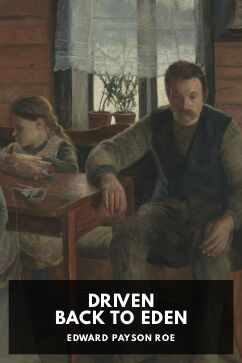
Driven Back to Eden - Edward Payson Roe
First published in 1885, Edward Payson Roe's novel feels surprisingly modern in its central dilemma. It follows the Gregory family—Robert, his wife, and their children—as they hit a wall in New York City. Robert's business is failing, the costs are crushing, and their health is suffering. In a bold, desperate move, they decide to sell everything and buy a run-down farm in the country, betting their future on a completely new way of life.
The Story
The plot is straightforward but compelling. We follow the family's journey from anxious city dwellers to determined, if clumsy, farmers. There's no villain here except inexperience, debt, and the stubborn soil itself. Each chapter is like a new lesson in their education: fixing a leaky roof, figuring out which crops to plant, and learning that country neighbors can be both a challenge and a lifesaver. The drama comes from small victories and frustrating setbacks. Will the first harvest save them? Can they build a real home, not just a house?
Why You Should Read It
What makes this book special is its gentle, practical heart. Roe wasn't just writing fiction; he was advocating for a return to simpler, healthier living, and that passion shines through. The characters aren't perfect—Robert makes mistakes, the kids complain, and the whole project sometimes feels impossible. That's what makes their journey so believable. You root for them because their struggle is so human. It's less about romanticizing farm life and more about showing the real, gritty work behind building something meaningful from scratch. The theme of family pulling together under pressure is timeless and genuinely touching.
Final Verdict
This is a perfect, comforting read for anyone who loves stories about fresh starts, the value of hard work, and family bonds. If you enjoy historical fiction that focuses on everyday people rather than kings and battles, you'll feel right at home. It's also a great pick if you're feeling overwhelmed by modern life; this book is a quiet reminder of different priorities. While the language is of its time, the story's core is incredibly relatable. Think of it as a hopeful, earnest letter from the past, encouraging you to find your own patch of 'Eden,' wherever that might be.
No rights are reserved for this publication. Feel free to use it for personal or commercial purposes.