
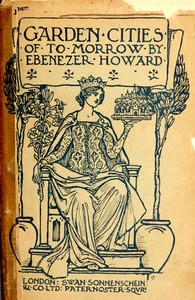
Garden Cities of To-Morrow by Sir Ebenezer Howard
Forget knights and dragons. The real adventure in this book is a radical idea: what if we could design better cities from scratch? Sir Ebenezer Howard, a humble stenographer with a big vision, lays out a shockingly detailed plan. He saw the problems of London's grimy, overcrowded slums and the lonely isolation of the remote countryside. His solution? The 'Garden City'—a brand-new, self-contained town of about 32,000 people, built on cheap agricultural land, surrounded by a permanent greenbelt, and designed to give everyone access to jobs, nature, and community.
Why You Should Read It
Reading this feels like uncovering a secret history of the world we almost built. Howard's diagrams and financial plans are dry at times, but his core vision is electric. He wasn't just dreaming; he was budgeting, planning railways, and sketching street layouts. His ideas directly inspired towns like Letchworth and Welwyn in the UK, and you can see his fingerprints on suburban planning and the 'new urbanism' movement today. It’s a powerful reminder that the places we live in are a choice, not an accident.
Final Verdict
This is a must-read for anyone interested in urban planning, history, or environmental design. It’s also perfect for curious readers who look at their own city or suburb and wonder, 'Why is it like this?' You’ll need some patience for the 19th-century writing style and detailed land-use charts, but the central idea—that we can build happier, healthier, and more sustainable communities—is as urgent and inspiring now as it was over 120 years ago.
No rights are reserved for this publication. Preserving history for future generations.
Nancy Lee
1 year agoA bit long but worth it.
Aiden Lewis
6 months agoCompatible with my e-reader, thanks.
Margaret Johnson
1 year agoNot bad at all.
Emily Lee
1 year agoNot bad at all.








Charles Jackson
1 year agoHonestly, it provides a comprehensive overview perfect for everyone. Truly inspiring.