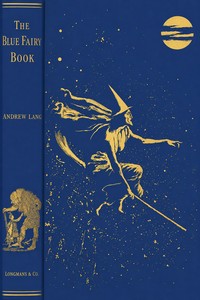

The Crimson Fairy Book — Themes and Context
Edition facts
Andrew Lang opens The Crimson Fairy Book with a characteristic disclaimer: he is the editor, not the author, of the tales. He compares his role to a scientist editing nature, insisting the stories are too vast for a single modern mind. Lang traces their origins to peasant grandmothers in places from New Caledonia to Zululand, and notes that Homer's Odyssey and the Jason myth likely evolved from such wandering tales. This preface, while repetitive of earlier volumes, reveals Lang's method: he adapts stories for British children, toning down tortures inflicted on wicked characters.
A Collector's Confession
Lang's preface is both apologetic and defiant. He admits these introductions are 'monotonous and unavailing,' yet he persists, driven by 'literary honesty.' He insists he did not invent a single story; nobody knows who invented them, or where, or when. The tales are adapted from collections told by mothers and nurses in Hungary, Russia, Servia, Roumania, the Baltic shores, Sicily, Finland, Iceland, Japan, Tunis, and Portugal. Lang invites children to look up these places on a map, a gesture that turns reading into a geographical exploration.
The Gold-Bearded Man: A Study in Captivity
The excerpt from 'The Gold-Bearded Man' illustrates Lang's editorial hand. The tale features a king who builds a golden cage for a thief with a gold beard, offering a reward for his capture. An old soldier suggests drugging wine with bread and bacon; the plan succeeds, and the man is caged. The king leaves for war, entrusting the prisoner to his stepson, who eventually frees him out of pity. The prince then flees, fearing the king's threat of a 'terrible death.' The story includes repeated motifs: vanishing, drugged sleep, and a cage as a prison. The prince's tender heart contrasts with the king's ferocious joy.
Patterns of Punishment and Mercy
Lang notes in the preface that he tones down tortures inflicted on wicked stepmothers and other naughty characters. In 'The Gold-Bearded Man,' the king's cruelty is explicit: he shows the captive with 'ferocious joy' and orders the prince to guard him under threat of death. Yet the prince's mercy—freeing the man—is rewarded with a promise of repayment. This tension between harsh punishment and compassionate release recurs in many fairy tales. Lang's adaptations likely soften the original punishments, but the excerpt retains the king's rage and the prince's fear, offering a glimpse of the moral complexity Lang preserves.
Readers approaching The Crimson Fairy Book should attend to Lang's editorial voice in the preface, which frames the collection as a global patchwork. The tales themselves, like 'The Gold-Bearded Man,' reward attention to recurring motifs—cages, drugged food, escapes—and the moral choices of characters. Lang's claim that he merely 'guards the interests of propriety' invites scrutiny of how each story balances cruelty and kindness.